Diamonds
Argyle Phoenix Diamond: The Natural Red Diamond That Broke Records
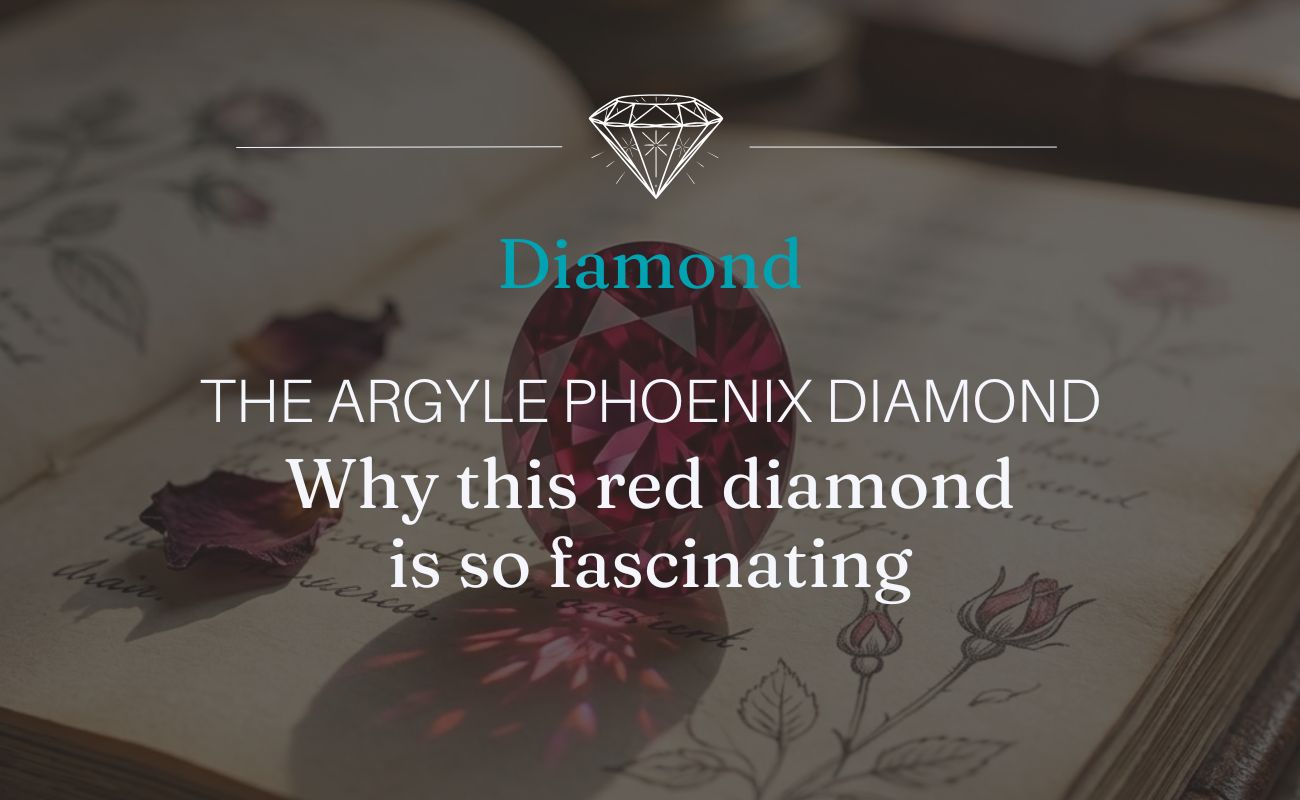
The Argyle Phoenix diamond immediately attracts attention because it brings together everything collectors seek: a prestigious origin, an exceptional color, and a spectacular sales history. The Argyle Phoenix diamond is not simply a precious stone; it is a symbol of absolute rarity in the world of colored diamonds.
Its reputation is based on several combined factors: an extremely rare natural red color, a provenance linked to the legendary Argyle Mine, and an auction sale that made headlines across the market. To understand why this gemstone fascinates so many people, it is necessary to examine both its history, its gemological classification, and its unique place in the world of collectible gems.
What makes the Argyle Phoenix so unique is also its role as a benchmark. Few natural red diamonds have achieved such visibility, and even fewer with such a high level of quality. The Argyle Phoenix diamond has therefore become an essential reference for gemology enthusiasts and luxury market collectors alike.
The Record-Breaking Sale of the Argyle Phoenix Diamond
The sale of the Argyle Phoenix at Phillips Geneva immediately placed the stone at the center of international attention. Sold for approximately US$4.2 million, or around CHF 3.8 million, it confirmed the market's appetite for truly exceptional gemstones. The transaction also reinforced the idea that a natural red diamond can command prices comparable to those achieved by major works of art.
Beyond the final price, several records were associated with this sale. The Argyle Phoenix was notably presented as one of the most expensive fancy red diamonds ever sold, with a particularly impressive price per carat. In the world of collectible gemstones, this type of result sends a powerful signal to buyers and specialized luxury houses.
A Price Reflecting Global Demand
The value achieved at public auction depends not only on the stone's weight or beauty. It also depends on competition among collectors, the reputation of the auction house, and the prestige of the gemstone's provenance. In this case, the Argyle name, exceptional craftsmanship, and extreme rarity created a dynamic that extended far beyond a traditional auction.
- Final sale price of approximately US$4.2 million
- Record value for a fancy red diamond
- Among the highest price-per-carat figures ever recorded
- Strong interest from international collectors
The sale also demonstrated that the market places a significant premium on gemstones with a clear history, precise certification, and limited availability. For a diamond of this caliber, emotion matters just as much as geology.
Why Are Red Diamonds So Rare in the World?
Red diamonds are considered the rarest color among all fancy colored diamonds. Specialists estimate that fewer than 30 true examples are known worldwide, which explains why every new appearance generates considerable excitement. This extreme scarcity fuels the fascination surrounding the Argyle Phoenix, which belongs to an already almost mythical category.
Most red diamonds are extremely small, often weighing less than one carat. Finding a stone weighing 1.56 carats with such remarkable color saturation is therefore truly exceptional. The Argyle Phoenix is even more sought after because it combines size, quality, and exceptional visual presence in a single specimen.
A Color That Defies Market Standards
In the world of colored diamonds, red does not follow the traditional grading scales commonly used for blue, yellow, or pink diamonds. These stones are generally classified simply as Fancy Red, without the intermediate hierarchy found in other color categories. While this may appear straightforward on paper, it makes evaluation considerably more demanding in practice, as every nuance of saturation is critically important.
- Extreme rarity of natural red diamonds
- Typically graded as Fancy Red
- Very limited number of large specimens
- Worldwide demand for certified examples
The Argyle Phoenix belongs to this exclusive circle of gemstones whose supply can no longer realistically increase. This rarity directly fuels both the value and the aura surrounding the diamond.
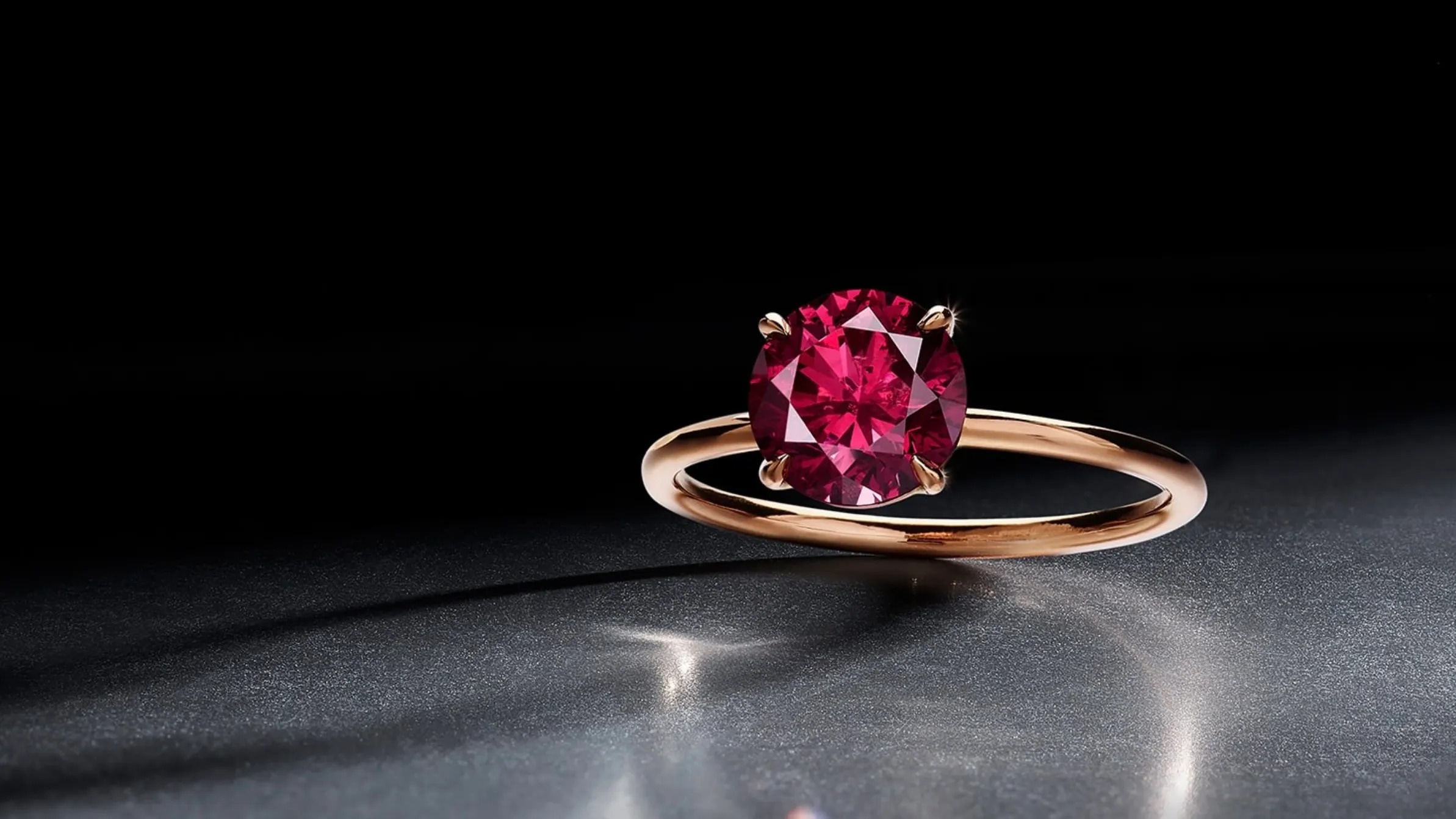
Photo credits - naturaldiamonds.com
The Origin of the Argyle Phoenix Diamond in the Argyle Mine
The story of the Argyle Phoenix begins in the Argyle Mine in Western Australia. This deposit became a major source of pink, violet, and red diamonds, earning a unique place in the history of gemology. Whenever a prestigious stone originates from this mine, it immediately benefits from an additional level of prestige.
The mine was long associated with remarkable discoveries, but also with a limited production of truly exceptional gemstones. The fact that the Argyle Phoenix originated from this deposit significantly enhances its desirability, as collectors know that this type of provenance can never be replicated. Rio Tinto extensively promoted the symbolic value of the mine, helping establish the Argyle name across the international market.
The Mine Closure and Its Impact on Existing Diamonds
The permanent closure of the mine in 2020 changed the perception of every gemstone originating from the site. No new production will ever enter the market, transforming existing specimens into even more coveted assets. The Argyle Phoenix directly benefits from this situation.
The closure acts as a rarity amplifier. As production ceases, provenance becomes increasingly valuable, encouraging collectors to focus on the finest stones available on the secondary market.
- Prestigious origin from an iconic mine
- End of mining operations in 2020
- Permanent scarcity of new gemstones
- Growing interest in historical specimens
Gemological Characteristics of the Argyle Phoenix and Other Famous Red Diamonds
From a gemological perspective, the Argyle Phoenix is a 1.56-carat natural red diamond cut in a round brilliant shape. This cut is already remarkable for a stone of this category, as most natural red diamonds are significantly smaller. Being graded Fancy Red gives it a distinctive status reserved for the world's most exceptional gemstones.
The pure red color displayed by this diamond is especially prized because it is associated with an extraordinary level of saturation rarely encountered in nature. According to information released during the sale, the stone was also described as the largest known round brilliant red diamond, explaining the market's enthusiasm. For collectors, this type of distinction is just as important as the carat weight itself.
What Causes the Red Color in Natural Diamonds?
The most widely accepted explanation involves deformation within the diamond's crystal lattice caused by intense pressure and temperature deep within the Earth. This mechanism is similar to that responsible for pink diamonds but occurs to an even greater degree. The color is therefore not caused by chemical elements, as is the case with some other gemstones, but by the way light interacts with the diamond's internal structure.
Pink and red diamonds therefore share a degree of scientific mystery. In the case of the Argyle Phoenix, this structural uniqueness translates into an exceptionally strong visual presence that is immediately recognizable.
The Role of the Argyle Tender and Laurence Graff
The Argyle Tender was for many years an exclusive annual private sale reserved for the finest diamonds produced by the mine. The Argyle Phoenix was presented through this highly selective process before entering a new phase of appreciation, further emphasizing its exceptional status. This exclusive marketing system significantly contributed to strengthening its image as a world-class collectible gemstone.
Laurence Graff subsequently acquired the diamond, adding an additional layer of prestige to its history. When one of the luxury industry's most respected figures acquires such a gemstone, the market immediately understands that this is far more than an ordinary purchase: it is a true collector's acquisition.
- Hancock Red
- Moussaieff Red
- Other historic diamonds of similar significance
These comparisons help position the Argyle Phoenix among the greatest names in the world of red diamonds. It does not replace these legendary stones, but it undoubtedly joins the very exclusive circle of specimens whose fame extends far beyond the jewelry market. For enthusiasts, it remains an invaluable reference and a lasting benchmark.
The Argyle Phoenix fascinates because it combines everything that makes a gemstone unforgettable: a legendary provenance, an almost impossible-to-achieve color, record-breaking auction results, and a perfectly documented history. In a market where excellence is measured by carat weight, rarity, and provenance, it stands as a lasting benchmark. It is precisely this combination that explains why the Argyle Phoenix continues to captivate collectors worldwide.
```