Diamonds
Life After Diamonds: What Happens When Diamond Mines Close?
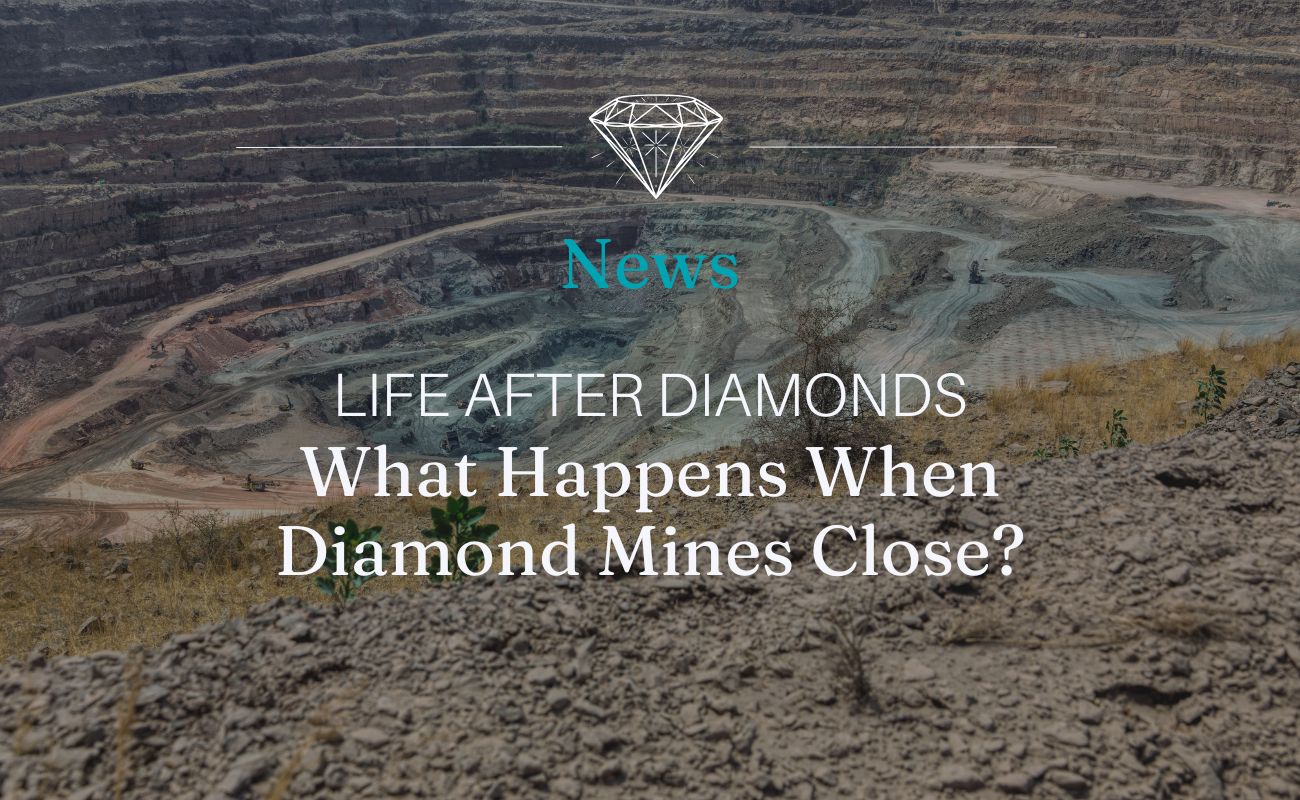
For decades, diamond mines have shaped entire regions, created jobs, and fueled the global jewelry industry. Yet, like any natural resource, a diamond deposit will eventually be exhausted. So what happens when the last diamond is extracted?
Contrary to popular belief, the closure of a mine does not mark the end of the story. Instead, it represents the beginning of a new chapter—one that is often just as complex as the mining operation itself. Environmental rehabilitation, economic diversification, and support for local communities have become essential components of responsible mining practices.
Mine Closure: A Process Planned Years in Advance
Many people assume that a mine simply shuts down once its reserves are depleted. In reality, major mining companies begin planning for closure long before the first diamond is even extracted.
Detailed closure plans are developed to ensure that the site can be safely restored and reintegrated into the surrounding environment once mining activities come to an end.
This preparation helps to:
- secure infrastructure and facilities;
- minimize environmental impacts;
- support workforce transition programs;
- protect the interests of local communities.
As a result, mine closure can take several years or even decades to complete.
Restoring the Landscape
One of the most important aspects of mine closure is environmental rehabilitation.
Open pits, waste rock storage areas, and industrial facilities must either be removed or repurposed. The land is reshaped to create stable terrain that can support future uses.
In some cases, millions of cubic meters of material are moved to recreate natural landscapes and reduce long-term environmental risks.
Native vegetation is then replanted through extensive reforestation and revegetation programs. These efforts encourage biodiversity recovery and help prevent soil erosion.
Protecting Water Resources and Ecosystems
Water management remains a critical challenge long after mining operations cease.
Former retention ponds, groundwater systems, and nearby rivers must continue to be monitored to prevent contamination and protect surrounding ecosystems.
Many modern rehabilitation projects include environmental monitoring programs that extend for decades after closure, ensuring that the site remains stable and environmentally safe.
This long-term commitment reflects the mining industry's growing focus on sustainability and environmental responsibility.
The Human Impact: Supporting Local Communities
Mine closures affect more than just the environment—they also have significant social and economic consequences.
In many remote regions, mining serves as the primary source of employment and economic activity. When a mine closes, local businesses, public services, and entire communities can be affected.
Potential consequences include:
- job losses and unemployment;
- declining local incomes;
- population migration;
- economic instability in mining-dependent communities.
To reduce these impacts, mining companies increasingly invest in workforce retraining programs, educational initiatives, and economic diversification projects designed to create new opportunities after mining ends.
Giving Former Mines a Second Life
Many former mining sites are finding new purposes once extraction activities end.
Some are transformed into nature reserves and protected conservation areas. Others become tourist attractions, research facilities, or renewable energy sites.
These redevelopment projects create new employment opportunities while preserving the industrial heritage of the region.
The goal is to ensure that mining benefits continue to support local communities long after the last diamond has been recovered.
Examples from Major Diamond Mines
Several recent mine closures demonstrate how responsible mine rehabilitation can be successfully implemented.
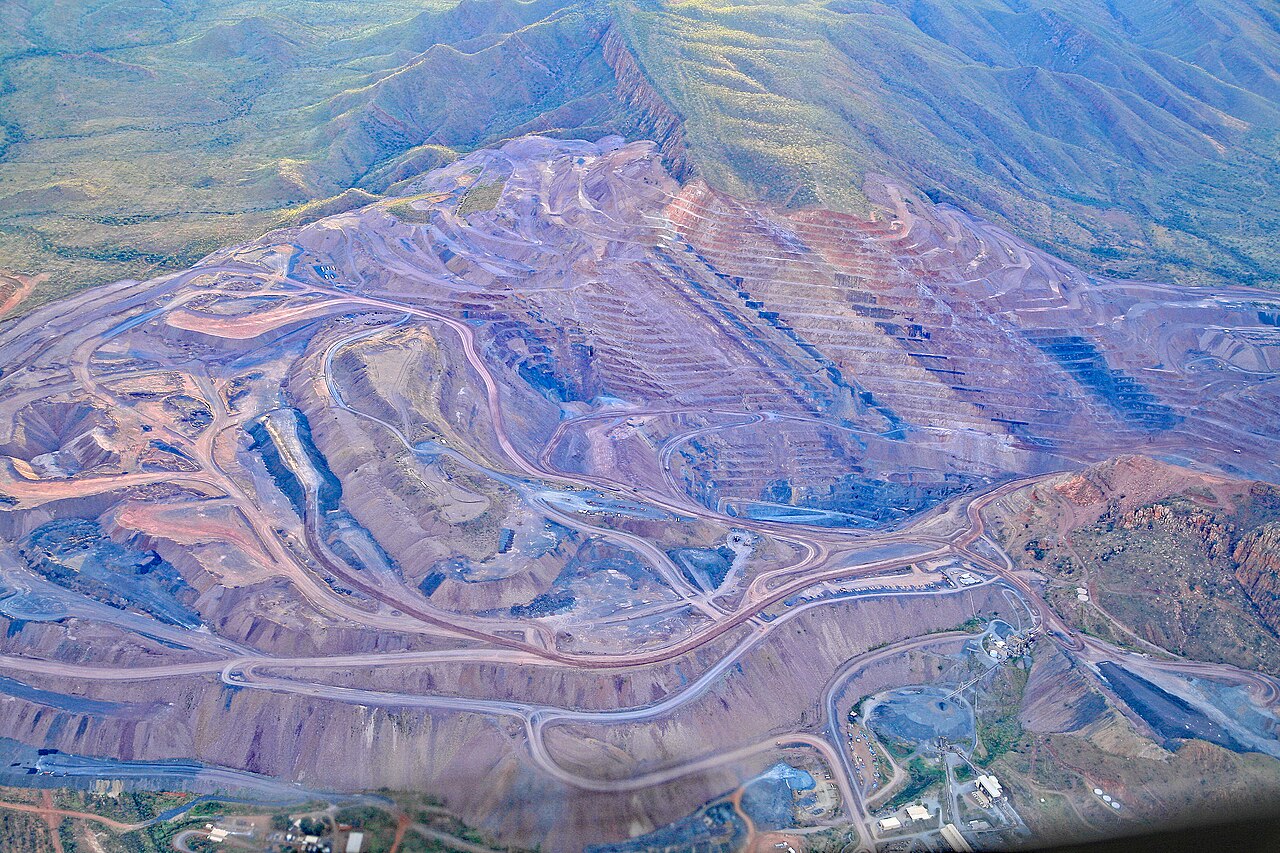
In Australia, the famous Argyle Diamond Mine—renowned for producing rare pink diamonds—ceased operations in 2020 after nearly four decades of production. Today, extensive rehabilitation work is underway to restore ecosystems and prepare the site for future generations.
In Canada, the Victor and Snap Lake mines have also undergone major restoration efforts. Millions of trees have been planted, and long-term environmental monitoring programs have been established in collaboration with Indigenous communities.
These examples highlight how the diamond industry is increasingly focused on creating a lasting positive legacy.
A New Vision of Responsible Diamonds
Today, the value of a diamond is measured by more than its beauty and rarity.
Consumers are increasingly interested in where diamonds come from, how they are extracted, and what impact mining leaves behind.
Responsible mine closure has therefore become an essential part of the natural diamond value chain. It demonstrates the industry's ability to manage the entire lifecycle of a mine—from discovery and production to rehabilitation and long-term stewardship.
Conclusion
The story of a diamond mine does not end when the final carat is extracted. In many ways, that is when one of the most important phases begins: restoring the land, supporting communities, and preparing for the future.
As environmental and social expectations continue to grow, responsible mine closure has become a key indicator of the mining industry's commitment to sustainability.
Ultimately, the true legacy of a diamond mine is not only found in the gemstones it produced, but also in the positive impact it leaves behind for future generations.