Jewellery
Belle Époque Jewelry: History, Garland Style & Timeless Elegance
Some styles transcend time without ever losing their brilliance. Belle Époque jewelry is undoubtedly one of them. Born at the turn of the 19th and 20th centuries, it continues to captivate today with its lightness, precision and almost unreal refinement.
More than just an aesthetic trend, it embodies a vision of luxury where technique fades in favor of emotion. And this is precisely why, more than a century later, these jewels continue to fascinate.
A time when jewelry became airy
During the Belle Époque, jewelry underwent a radical transformation. It moved away from heavy, structured pieces toward a much more delicate, almost immaterial approach. Artisans sought to lighten forms, to make the material disappear so that only light remained.
The result is striking: diamonds that seem to float, compositions reminiscent of lace, and jewels that capture every movement and reflection. This pursuit of purity marked a clear break from previous styles and laid the foundations for modern jewelry.
This aesthetic shift, still visible today in many contemporary creations, remains one of the most powerful legacies of this period.
The garland style: between heritage and modernity
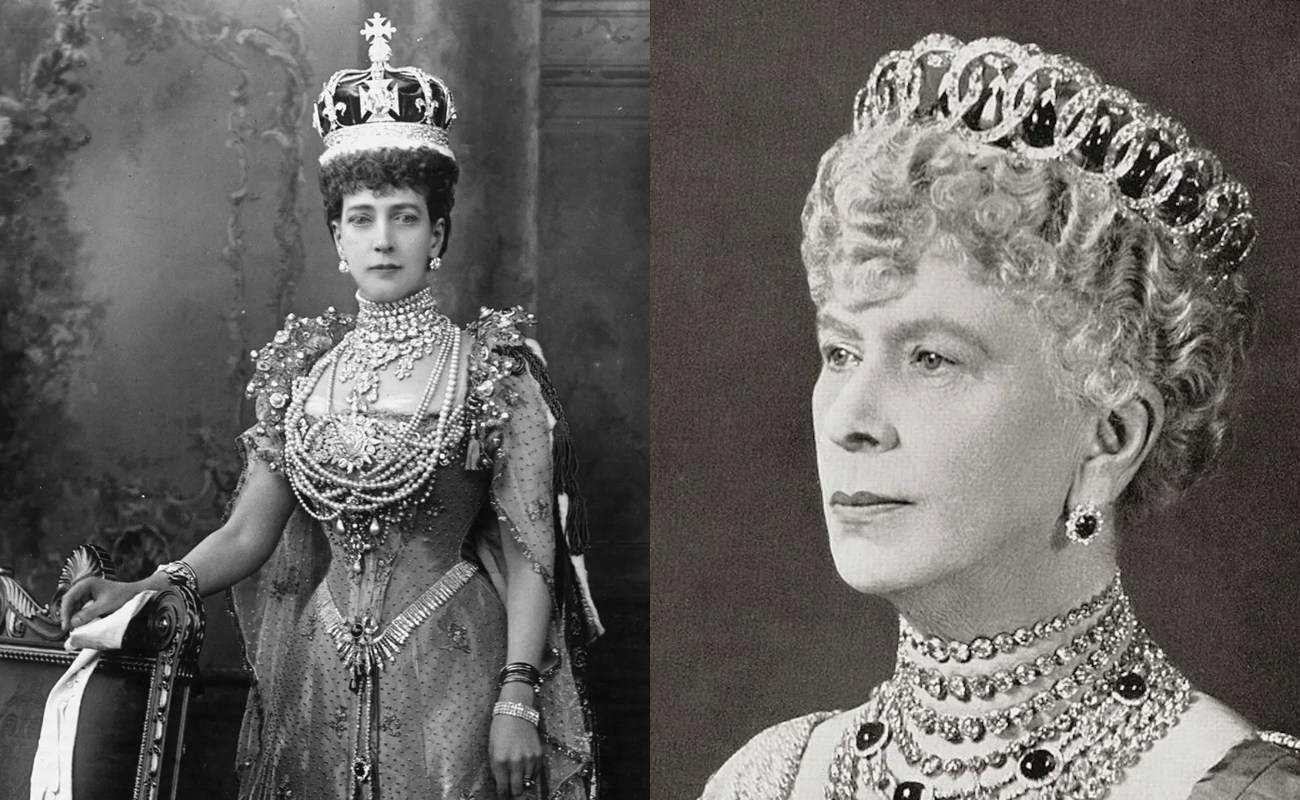
At the heart of this aesthetic lies what is known as the garland style. Inspired by 18th-century ornamentation, it is distinguished by motifs of ribbons, bows and floral garlands, always arranged with great symmetry.
What makes this style truly fascinating is its interpretation. Thanks to the technical advancements of the time, these motifs were no longer simply reproduced — they were elevated. The metal almost completely disappears, giving way to a continuous play of light, where each diamond contributes to a harmonious composition.
This dialogue between tradition and innovation gave rise to a timeless aesthetic, instantly recognizable yet never static.
The key role of platinum and millegrain
The lightness of Belle Époque jewelry is above all the result of a technical revolution: the use of platinum. Stronger than gold, this metal made it possible to create extremely fine settings capable of supporting stones while remaining almost invisible.
Added to this is the use of millegrain, a delicate finishing technique made up of tiny metal beads. To the naked eye, it creates a subtle shimmer that enhances the brilliance of diamonds and reinforces the impression of refinement.
The result is jewelry that does more than simply adorn — it interacts with light, responds to movement and naturally draws the eye.
Jewelry designed for a social lifestyle
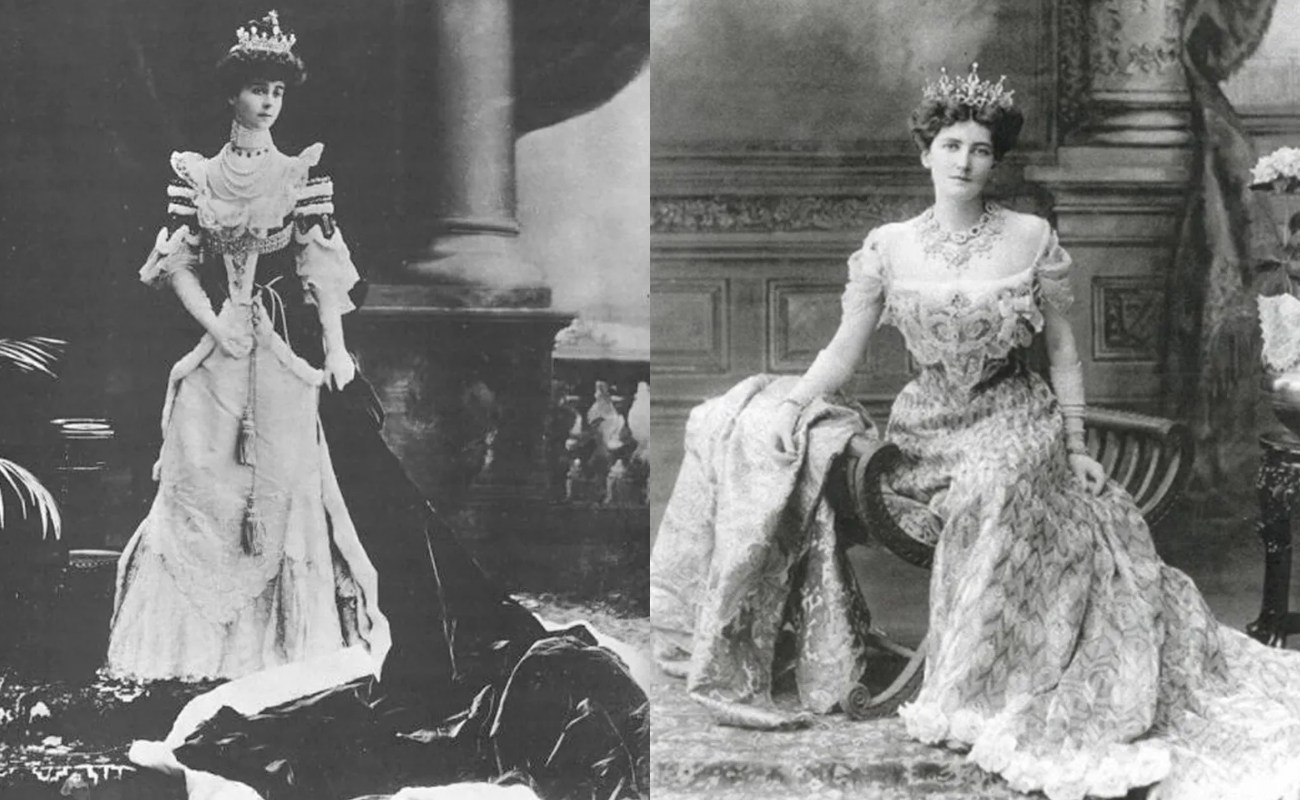
The Belle Époque was also a time of intense social life. Balls, receptions and soirées shaped daily life among the elite, and jewelry became a true language of status and identity.
In this context, jewelers created pieces designed to adapt to different occasions. A tiara could be transformed into a necklace, a brooch into a pendant. Jewelry was no longer fixed — it evolved with the person wearing it.
This idea of modularity, highly modern in spirit, resonates strongly today with a new approach to luxury: owning fewer pieces, but better ones, designed to last and to evolve over time.
A fascination driven by history and emotion
If Belle Époque jewelry still captivates, it is not only because of its aesthetic appeal. It also carries a strong emotional dimension.
It evokes an idealized era of elegance, celebration and refinement. Yet it also represents a world on the brink of disappearance. This duality — between beauty and fragility — gives these pieces a unique depth.
Wearing a Belle Époque jewel is not simply wearing a precious object. It is wearing a story, a memory, an emotion.
A timeless source of inspiration
Today, the influence of the Belle Époque is everywhere in contemporary jewelry. It can be seen in fine settings, millegrain details, and the constant pursuit of lightness and balance.
But it also reflects a broader shift toward a more conscious and sustainable vision of luxury. Antique jewelry appeals not only for its rarity, but also for its heritage value. It embodies a sense of transmission, far removed from disposable consumption.
At i-diamants, this heritage is a constant source of inspiration. It guides the creation of pieces that reinterpret Belle Époque codes while adapting them to modern lifestyles and expectations.
Wearing Belle Époque without looking dated
Adopting this style today does not mean replicating the past exactly. On the contrary, it is about finding the right balance.
A highly detailed piece can be enhanced by a minimalist outfit. An antique brooch can become a statement piece on a modern blazer. A ring inspired by garland motifs can easily fit into everyday wear.
It is within this dialogue between heritage and modernity that the Belle Époque reveals its full relevance.
Conclusion
Belle Époque jewelry continues to fascinate because it represents an ideal — a rare balance between technique and poetry, between sophistication and lightness.
It reminds us that true luxury is not defined solely by the value of materials, but by an object’s ability to stand the test of time, tell a story and evoke emotion.
And that is precisely why it remains, even today, an endless source of inspiration.