Jewellery
Gold Price Surge: How It Impacts Jewelry Prices and the Jewelry Industry
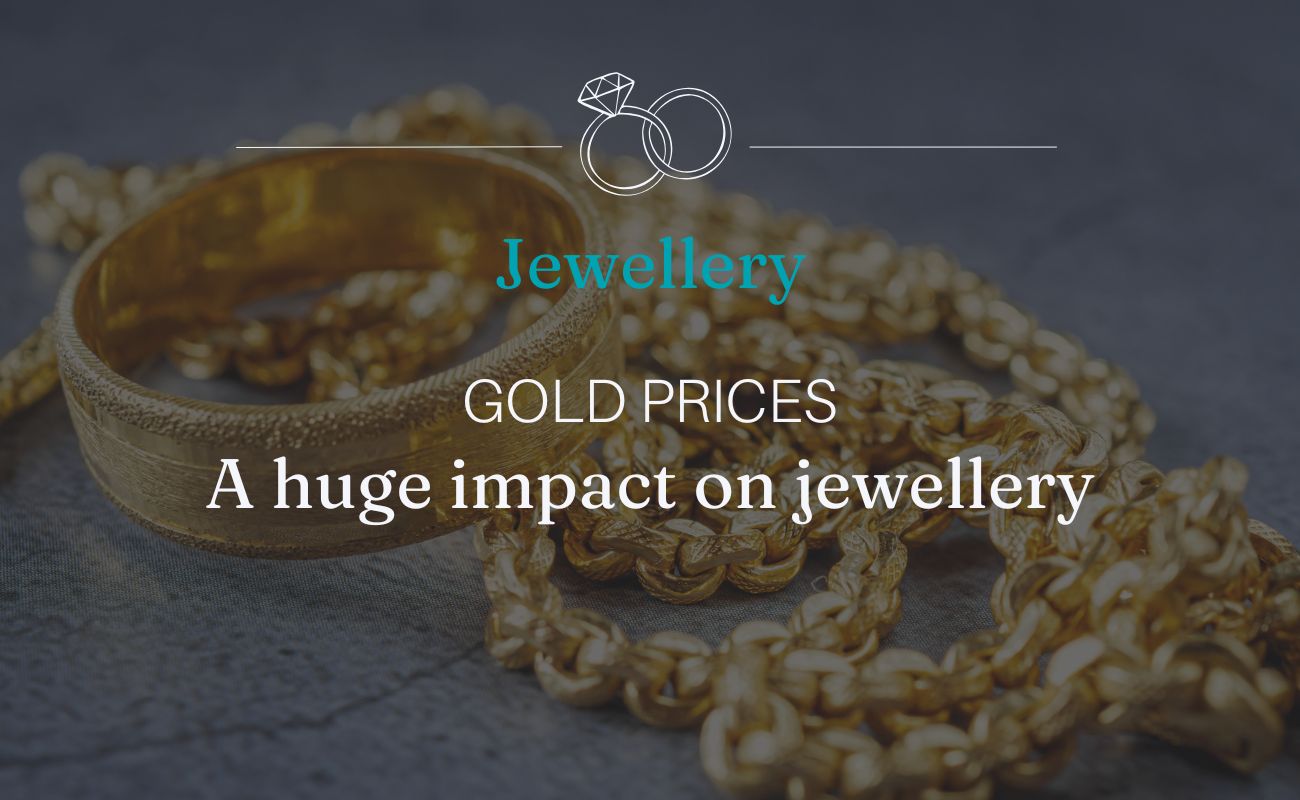
For several years now, the price of gold has been rising dramatically. This precious metal, essential in jewelry manufacturing, has now reached historic levels. This surge in prices is deeply reshaping the entire jewelry industry, from the design of pieces to consumer behavior. Between designers adapting their creations, evolving materials, and a transforming market, gold is redefining the rules of the game in the world of jewelry.
A spectacular rise in the price of gold
In recent years, gold has experienced remarkable growth on international markets. While an ounce of gold was trading at around 2,000 dollars in 2024, it has now surpassed 5,000 dollars in early 2026. This impressive increase can be explained by several factors.
Geopolitical tensions, global inflation, and economic uncertainty are pushing many investors to turn to gold, considered a safe-haven asset. Central banks are also increasing their gold reserves, helping support demand and drive prices higher.
This surge recalls certain historical periods, such as the peak of 1980, but the scale of the current increase remains exceptional. In just ten years, the price of gold has more than quadrupled, directly impacting industries that rely on this metal, particularly jewelry.
A jewelry industry forced to adapt
Faced with rising costs, jewelry professionals must rethink their strategies. As the price of raw materials increases, manufacturing gold jewelry becomes more expensive. Brands and artisans therefore have to adapt in order to continue offering accessible creations.
One solution is to reduce the amount of gold used in jewelry. Settings become thinner, volumes are sometimes hollow, and designs are carefully crafted to limit the weight of precious metal.
Another strategy involves offering jewelry made with lower gold content alloys, such as 14-karat or 9-karat gold, instead of the traditional 18-karat. This approach maintains the appearance and quality of the jewelry while reducing production costs.
Some jewelry houses also choose to highlight gemstones or semi-precious stones even more.
Different approaches depending on market players
Not all jewelry players react the same way to this surge in prices.
Independent jewelers and artisans are often the most affected because their margins are more limited. They sometimes need to rethink their collections or adapt their creations to continue appealing to their customers.
Luxury jewelry houses, on the other hand, have a greater ability to absorb costs. Some even choose to embrace the price increase by offering larger and more spectacular pieces, where gold remains a central element of the design.
In this context, independent designers are also exploring new paths. Many develop custom-made pieces, using for example recycled gold from old jewelry. This approach both reduces costs and meets growing consumer expectations regarding sustainability.
The rise of recycled gold
The increase in gold prices is also encouraging the use of recycled gold in jewelry manufacturing. This practice involves recovering precious metal from old jewelry or gold pieces, melting it down, and giving it a new life.
This solution offers several advantages. It reduces dependence on mining, limits environmental impact, and helps stabilize production costs. For consumers, it also provides strong symbolic value: a piece of jewelry can be created from a family heirloom or an old piece that has been transformed.
In a context where traceability and ethics are becoming important criteria for buyers, recycled gold is gradually establishing itself as a sustainable alternative.
At i-diamants, upon request, we can recover your gold and create a custom-made piece: the price of the jewelry is then lower than the price displayed on our website since we deduct the value of the gold you provide. You therefore only pay for the craftsmanship. Feel free to contact us to request a manufacturing quote using your own gold.
Jewelry that still carries value
Despite rising prices, gold jewelry retains a strong symbolic and emotional value. Giving or wearing jewelry is still associated with important life moments: weddings, birthdays, births, or family inheritance.
The surge in gold prices sometimes even reinforces this dimension. Jewelry is no longer just an aesthetic accessory, but also a durable object capable of being passed down through generations.
Many experts emphasize that gold jewelry combines two dimensions: a sentimental value and a heritage value. This dual nature explains why demand does not disappear despite increasing prices.
Consumers becoming more price-conscious
However, rising gold prices are changing purchasing behavior. In many countries, consumers now prefer smaller or more minimalist jewelry pieces.
There is also growth in the second-hand jewelry market. More and more people buy or sell vintage jewelry, attracted by the possibility of acquiring gold at a sometimes more affordable price.
This trend contributes to the expansion of the gold buyback market, allowing individuals to convert unused jewelry into cash.
At i-diamants, we buy back 18-karat gold (750/000). Feel free to contact us for a quote regarding the buyback of your gold.
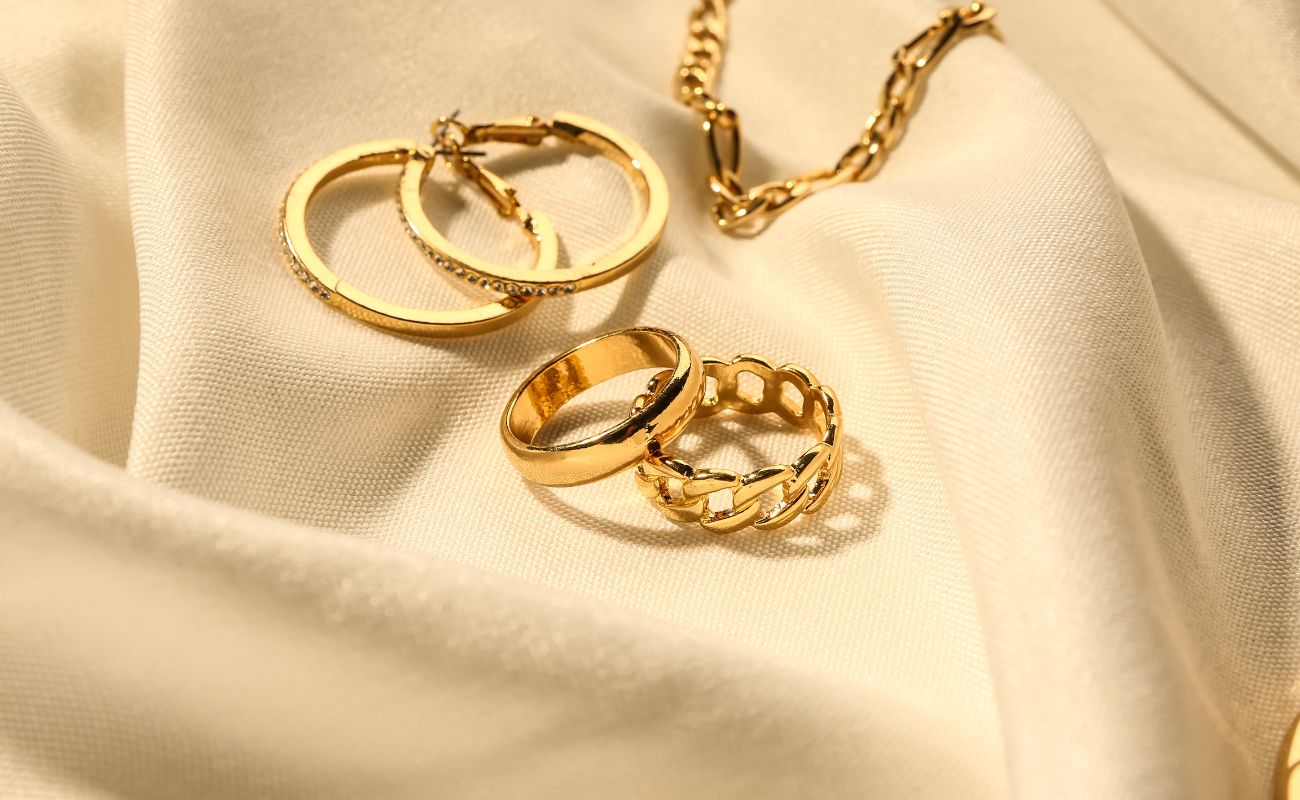
The price of jewelry: much more than the price of metal
It is important to remember that the price of gold represents only a portion of the final cost of a piece of jewelry. The creation of a jewelry piece also includes:
- design and creative work
- artisan craftsmanship
- gemstone cutting and setting
- marketing, communication, and distribution costs
- VAT and taxes
In many cases, the precious metal represents only 5 to 10% of the total cost of a piece of jewelry, particularly in high jewelry. This means that brands sometimes have some flexibility to absorb part of the increase in raw material prices.
Towards a lasting transformation of jewelry
The surge in gold prices is acting as a real catalyst for transformation in the jewelry sector. It pushes professionals to innovate, rethink their collections, and explore new creative approaches.
Between lighter designs, the use of recycled gold, alternative alloys, and custom jewelry creation, the jewelry industry continues to evolve to adapt to a changing economic environment.
For consumers, this evolution also offers new possibilities: jewelry that is more creative, more responsible, and sometimes more personalized.